Overseas markets such as Nigeria, Bangladesh, and Southeast Asia have seen a continuous surge in demand for furniture and automotive PVC leather. However, many foreign trade wholesalers and furniture manufacturers have incurred significant losses due to bulk returns, customs seizures, and claims from end customers after purchasing low-priced, inferior leather. Drawing from years of practical export experience, this article summarizes five major hidden dangers of low-priced, inferior PVC leather, aiming to assist overseas buyers in accurately selecting reliable source factories and avoiding trade risks.
The primary hidden danger: The wear resistance and mold resistance do not meet the standards, leading to rapid deterioration in humid overseas environments. Some small factories reduce mold resistance additives and wear-resistant rubber components to cut costs, resulting in mold spots on the fabric after just one month of container transportation by sea, and extensive scratches and peeling after three months on the market. In Africa and South Asia, where high temperatures and humidity persist all year round, non-compliant leather is directly scrapped upon arrival, incurring significant losses from shipping and returns. Regular export-grade PVC leather must be produced in accordance with the QB/T 4199 mold resistance standard, with a bacteriostatic rate of 99.8%, ensuring no mold growth during long-term storage. It is essential to request a third-party inspection report before purchasing.
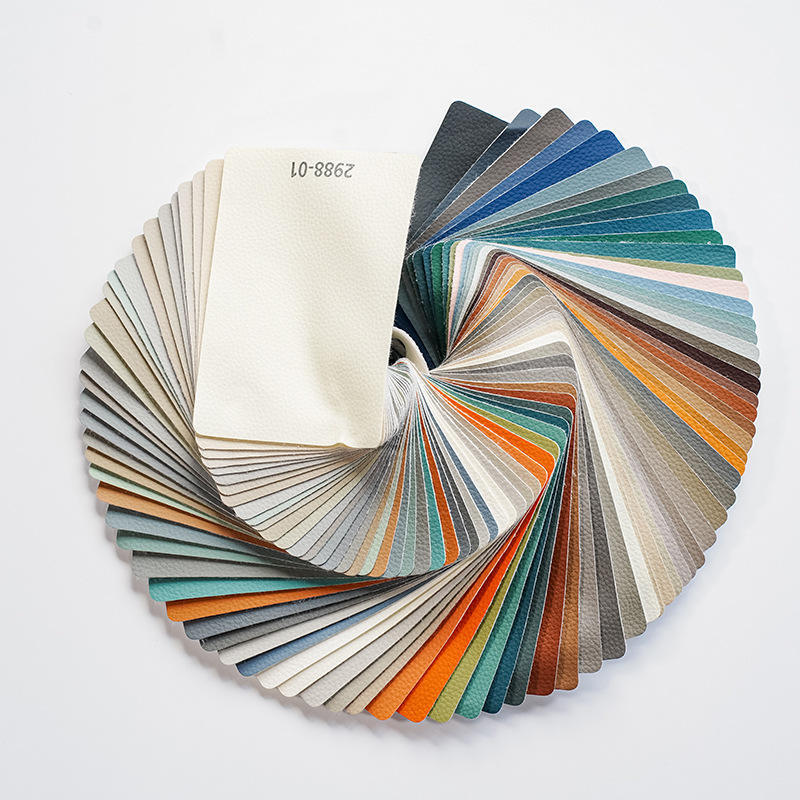
The second major hidden danger: severe color variation among batches, making it impossible to use the entire container of goods uniformly. Small workshops have rudimentary color mixing equipment, resulting in different shades of fabrics among different batches. After furniture factories cover sofas and car dealerships modify car seats, the finished products exhibit mottled colors and cannot be shipped. Large factories at the source are equipped with fully automatic computer color mixing systems, with sample color cards retained for comparison for each batch. Thousands of meters of coil material exhibit no color variation, making them suitable for large-scale FOB export orders in full containers.
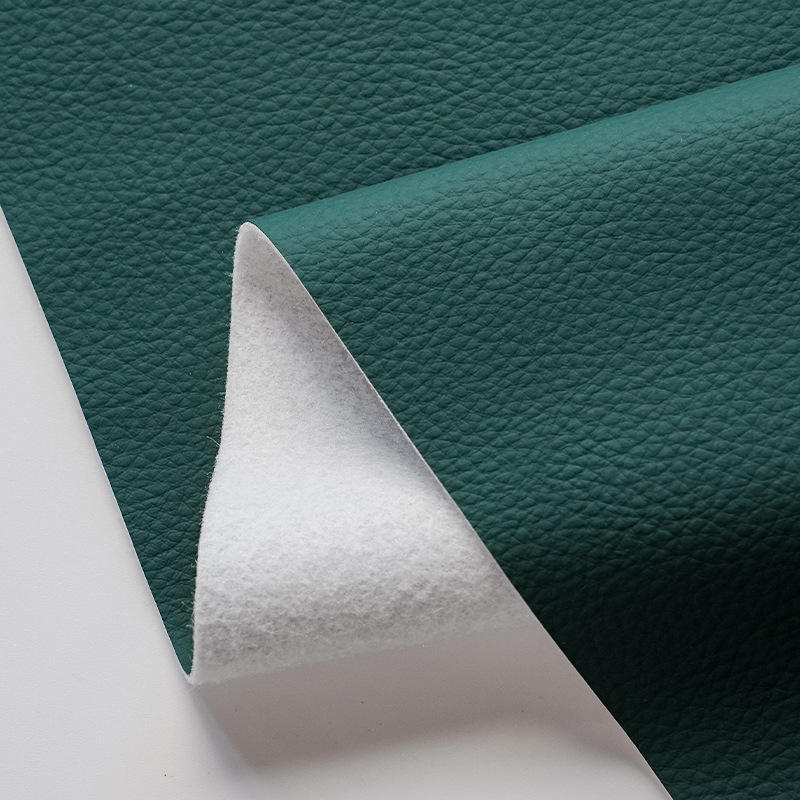
The third major hidden danger: shoddy workmanship and cutting corners in the backing fabric, which is prone to tearing during sewing. High-quality products use high-density knitted base fabric with strong tensile strength; inferior leather uses sparse non-woven fabric, which is extremely prone to tearing during cutting and sewing, causing cracks under stress after being wrapped, resulting in a large number of finished products being reworked. Knitted base fabric is the foundation for the stable use of PVC leather. When purchasing samples, you can manually pull and test the toughness of the base fabric to intuitively distinguish the quality difference.
The fourth major hidden danger: uneven thickness, wrinkled and uneven covering. Low-priced leather on the market can have thickness errors of up to 0.3mm, resulting in uneven wrinkles on the back surface of covered sofas and seats, which lowers the product's grade. The thickness error of standardized production lines is controlled at ±0.05mm, with regular thicknesses of 0.8mm and 1.0mm being stable and uniform, ensuring a smooth and beautiful fit to furniture and car frames.
The fifth major hidden danger: environmental protection additives exceeding standards, leading to customs clearance detentions. Some small factories use inferior plasticizers, resulting in excessive levels of heavy metals and 6P. Customs inspections in Europe, America, and the Middle East directly detain the goods, incurring huge demurrage fees. Compliant exported PVC leather adopts environmentally friendly low-leaching formulas, passes REACH and ROHS testing, and provides complete certificates of origin and testing documents to ensure smooth customs clearance.
The core method to avoid risks: Prioritize choosing source factories with their own production lines and refuse to rely on middlemen for goods allocation; request samples for free before placing orders, and simultaneously request wear resistance, mold resistance, and environmental protection testing certificates; arrange on-site factory inspections to inspect production equipment, warehouse inventory, and quality control processes. Qichenxing Leather has been deeply involved in the export of PVC interior leather for many years, with full-process quality control. Each batch of goods comes with complete testing documentation, and customers are supported in conducting on-site inspections. Stable shipments are made FOB Foshan/Ningbo ports, eliminating trade losses caused by inferior materials from the source.