
Many buyers confuse automotive interior leather with furniture sofa leather, and blindly use general fabrics, resulting in substandard finished product quality, such as seat cracking and sofas getting dirty easily. Although both belong to PVC artificial leather, their formulas, thicknesses, physical property standards, and process requirements are completely different. This article clearly divides the applicable scenarios and material selection parameters of the two types of fabrics, facilitating precise matching and procurement models for overseas customers.
Dedicated PVC leather for car seats meets core requirements of weather resistance, UV resistance, and high wear resistance. When vehicles are parked outdoors for extended periods, direct sunlight can accelerate the aging and yellowing of regular leather. Automotive-grade PVC, with the addition of UV absorbers, resists fading and hardening even after prolonged exposure to sunlight. It boasts a higher wear resistance index, making it less prone to damage from frequent getting on and off. With a conventional thickness of 1.0mm and a delicate embossed texture, it enhances the premium feel inside the car. Additionally, the car leather is flame-resistant and optimized for low temperature resistance, ensuring it doesn't become hard or brittle in cold environments, making it suitable for climates around the world.
Sofa furniture made of PVC leather focuses on waterproofing and stain resistance, high cost-effectiveness, and rich color matching. Household and hotel sofas are prone to contact with beverage and snack stains. The surface layer of the fabric is coated with an anti-stain layer, making it difficult for liquids to penetrate. The thickness is mainly 0.8mm, providing better flexibility and allowing for easy bending and wrapping of soft furniture. There are more choices in texture and style, with matte, imitation leather, and frosted textures available for customization. The available stock of pastel colors such as pastel pink and pastel blue is abundant, suitable for interior soft furnishing design.
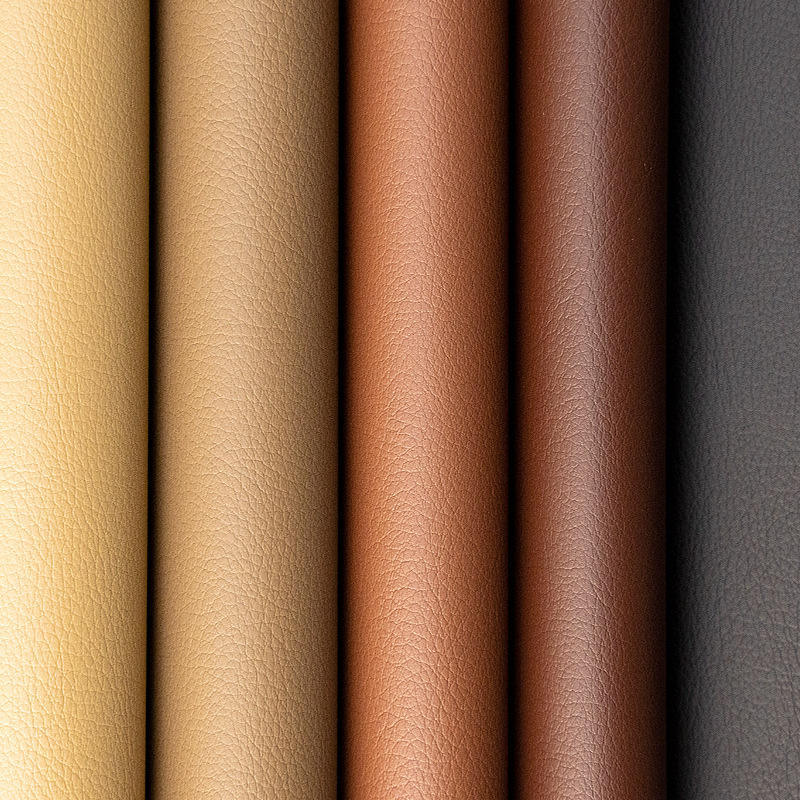
Common basic standards for both: Both adopt knitted backing technology, with a uniform width of 54/55 inches, and possess basic anti-mildew and waterproof properties, suitable for export to global markets. The core distinguishing parameters are as follows: automotive leather has a thickness of 1.0mm, high UV resistance, high wear resistance, and flame retardant formula; sofa leather has a thickness of 0.8mm, strong anti-soil, multiple colors, and prioritizes cost-effectiveness.
Procurement Practical Suggestions: For used car dealerships, car modification factories, and auto parts wholesalers, Model 1920 (1.0mm automotive-specific PVC leather) is the preferred choice; for upholstered furniture factories, hotel projects, and soft furnishing wholesalers, Model 2988 (0.8mm furniture-specific matte PVC leather) is recommended. Both fabrics feature embossing and debossing processes, knitted backing, wear resistance, and mold resistance. They are available in ample stock and support mixed container shipments, reducing the inventory pressure on customers for single-style procurement.
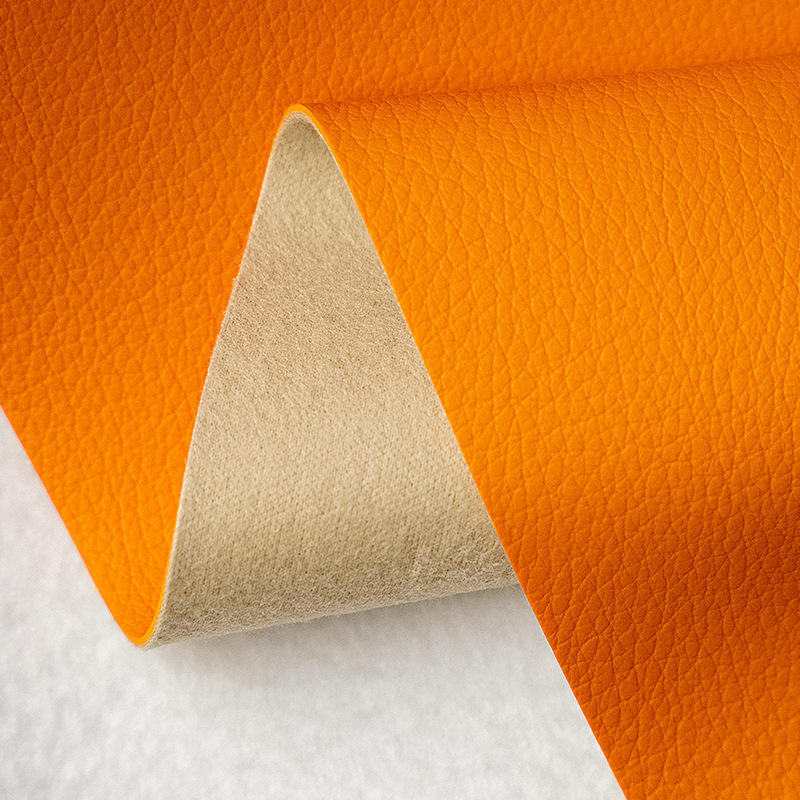
In terms of customized needs, automotive leather can incorporate a punching and ventilation process, while sofa leather can be customized with special patterns and special custom colors. Qichenxing Leather has an independent research and development laboratory that can adjust the fabric formula according to customer usage scenarios, providing a one-stop PVC leather solution that is suitable for both automotive and furniture industries. It comes with a complete set of color cards and physical property testing reports, and is compatible with global FOB export orders.