
The global furniture and automotive interior industries are undergoing a large-scale replacement of traditional leather and ordinary PU leather. PVC artificial leather, with its stable physical properties, rich colors, and high cost-effectiveness, has become the preferred covering material for furniture factories, used car modification manufacturers, and soft furnishing engineering companies both domestically and internationally. Many buyers are unable to distinguish the differences between PVC leather and other synthetic leathers when selecting materials for the first time. Today, we will comprehensively analyze the core advantages of PVC leather from the perspectives of material, craftsmanship, and usage scenarios.
From the perspective of basic material structure, standard automotive furniture-grade PVC leather is composed of a PVC resin coating layer and a knitted base fabric. The industry-standard thickness ranges from 0.8mm to 1.0mm, with a fixed width of 54/55 inches, suitable for most sofa cutting and car seat covering production lines. The knitted backing process ensures uniform stretching of the fabric, making it less prone to cracking during cutting and sewing. The embossing process can replicate fine leather textures, and the matte surface layer combines minimalist modern home decoration with business car interior aesthetics. It is also the most popular style in recent foreign trade orders.
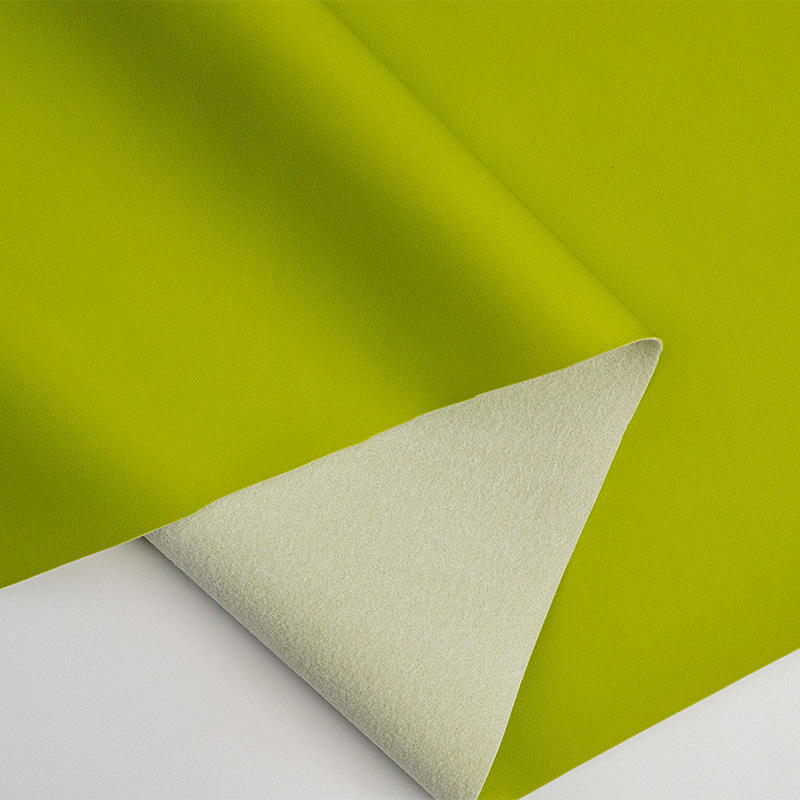
Durability is the core competitiveness of PVC leather. The fabric, formulated with a professional wear-resistant formula, has passed the national standard wear test, ensuring that daily key friction and long-term clothing friction will not cause scratches or peeling. Additionally, food-grade composite anti-mildew agents are added, which can effectively inhibit mold growth in high-temperature and high-humidity environments, perfectly adapting to wet and rainy export markets such as Southeast Asia, Africa, and the Middle East. Natural leather is highly susceptible to moisture and mold in coastal shipping containers, while PVC's waterproof and non-absorbent properties significantly reduce storage losses and after-sales complaints for overseas customers.
The advantage of color customization is a highlight that PVC leather cannot replace. Natural cowhide is limited by skin sources, resulting in significant color variations in each batch. However, PVC can stably mix hundreds of pure colors in pastel tones, such as light pink, cream yellow, hazy blue, caramel orange, and other popular matte colors, which can be mass-produced with no color variation in full container shipments. This is suitable for hotel renovation, full-house soft furnishing, and interior renovation of second-hand cars with unified color matching requirements. Our factory regularly stocks over 700 ready-to-use color cards, and can provide samples within 48 hours. We support customization of exclusive color mixing for customers, with low thresholds for small batch sampling.
In terms of cost and supply chain, PVC raw material production capacity is abundant, and its price is only one-third of that of first-layer cowhide. The unit price advantage of large-scale FOB shipments is significant. For overseas wholesalers, furniture factories, and used car dealerships, using PVC leather can effectively reduce the cost of finished product production and enhance the market competitiveness of end products. At the same time, PVC fabric is easy to clean. Water stains and beverage stains can be wiped clean with a damp cloth, resulting in lower maintenance costs for end customers and a stronger willingness to repurchase.
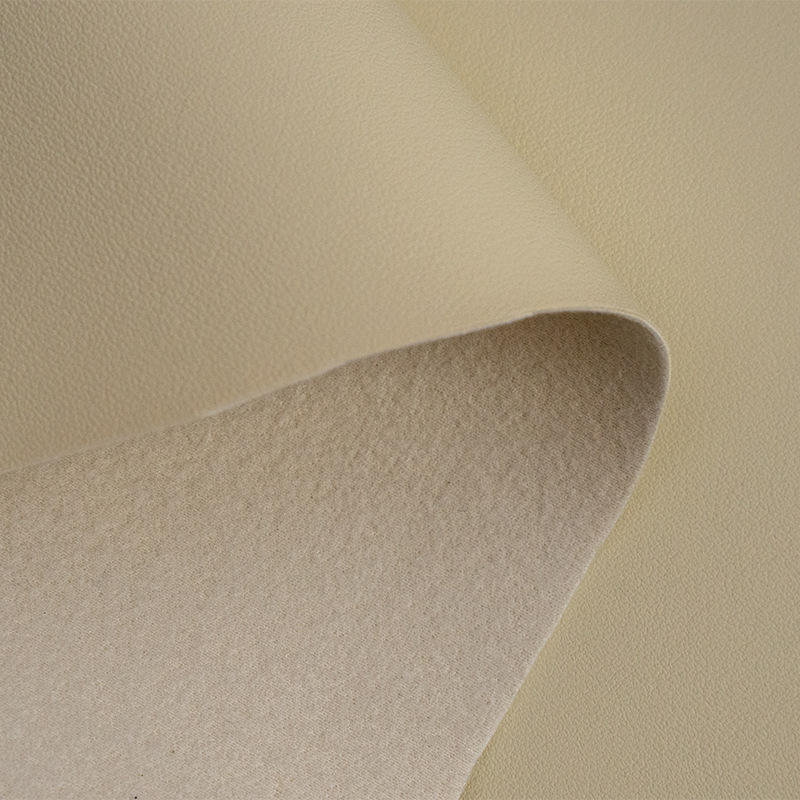
Of course, PVC leather also has a disadvantage of weaker breathability compared to genuine leather. For car seat scenarios, factories can customize perforated breathable PVC leather to balance aesthetics and ride comfort. Upon comprehensive comparison, for B-end buyers who pursue stable quality, batch delivery, moisture resistance, wear resistance, and rich color options, PVC embossed and knitted base artificial leather is the optimal procurement solution. Qichenxing Leather specializes in the production of PVC interior leather, with multiple fully automated calendering production lines. All fabrics undergo wear resistance, mold resistance, and weather resistance testing before leaving the factory, and complete testing reports are provided. It is suitable for furniture and car interior export orders from various countries worldwide.